9931
Trees Planted

By: Cynthia Lauer

It’s June. This month, Living Green Barrie’s 12 Actions for Climate focuses on sustainable transportation.
Sustainable transportation—public transit, electric vehicles, cycling, and walking—is crucial for reducing the 13.7%–29% of global greenhouse gas emissions caused by transportation industries (source: United Nations Development Program).
The UNDP defines sustainable transportation as “mobility systems that seek to minimize greenhouse gas emissions and environmental impacts, while ensuring safety and affordability, improving energy and resource efficiency, and providing equitable access to mobility for all”.
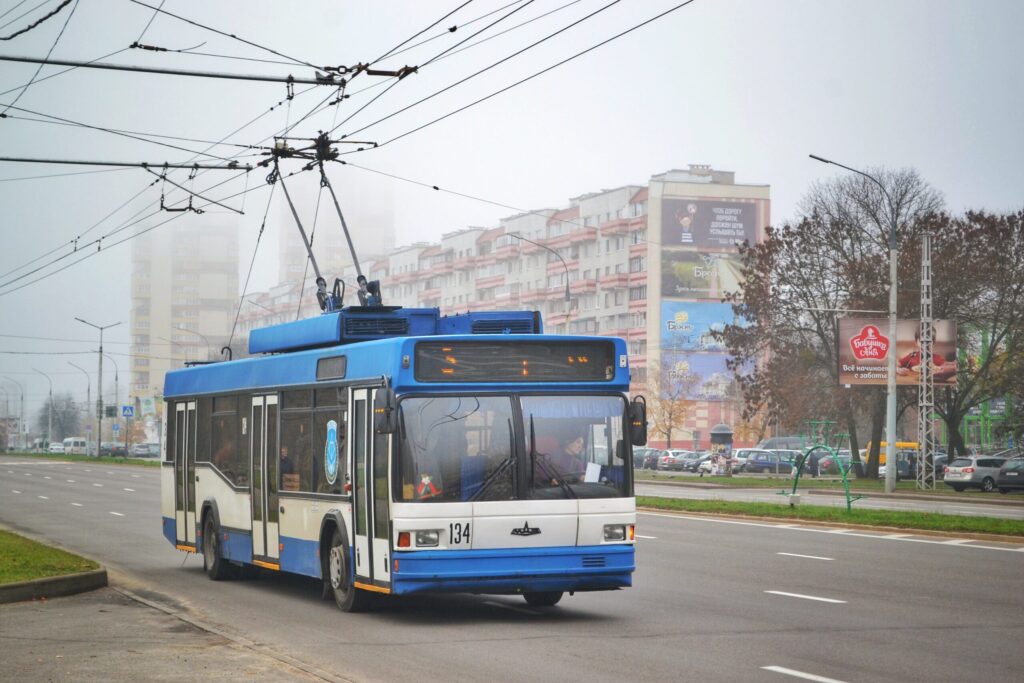
One way is to tread lightly is to shift away from private vehicle use to low-emission public transport such as battery electric buses and rail systems powered by renewable electricity.
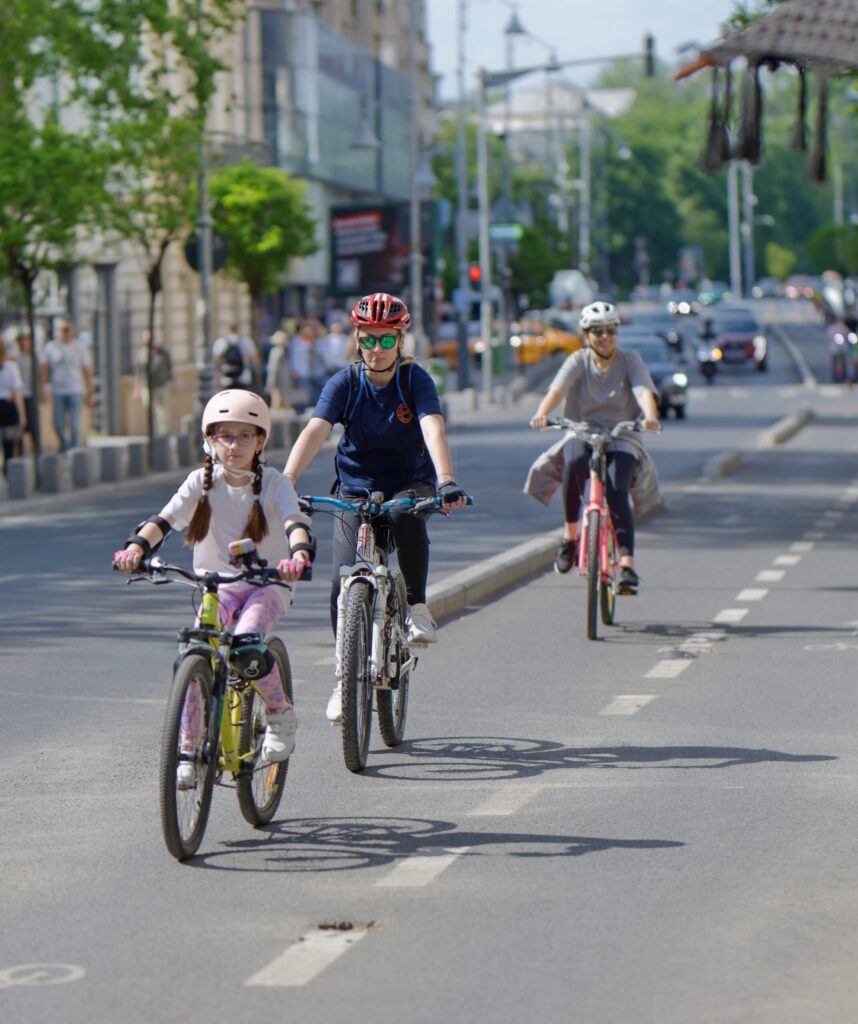
A systems approach to sustainable transportation includes everything from cycling networks to electric road transport powered by renewables to the adoption of clean fuels for shipping and aviation.
Improvements in efficiency, land use and system design are also a critical component of making transport more sustainable.
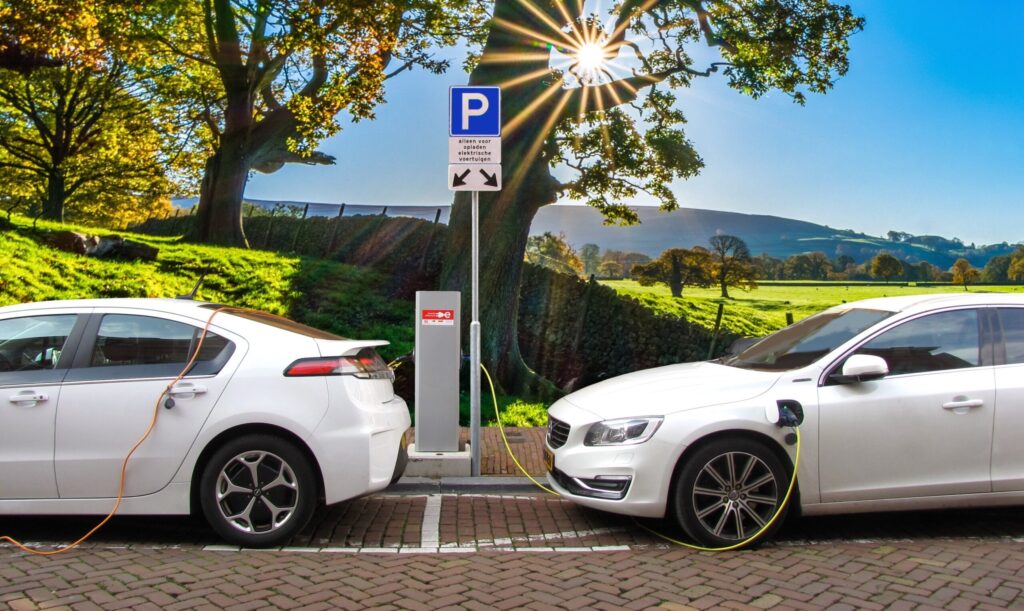
At the level of public policy, sustainable transportation involves:
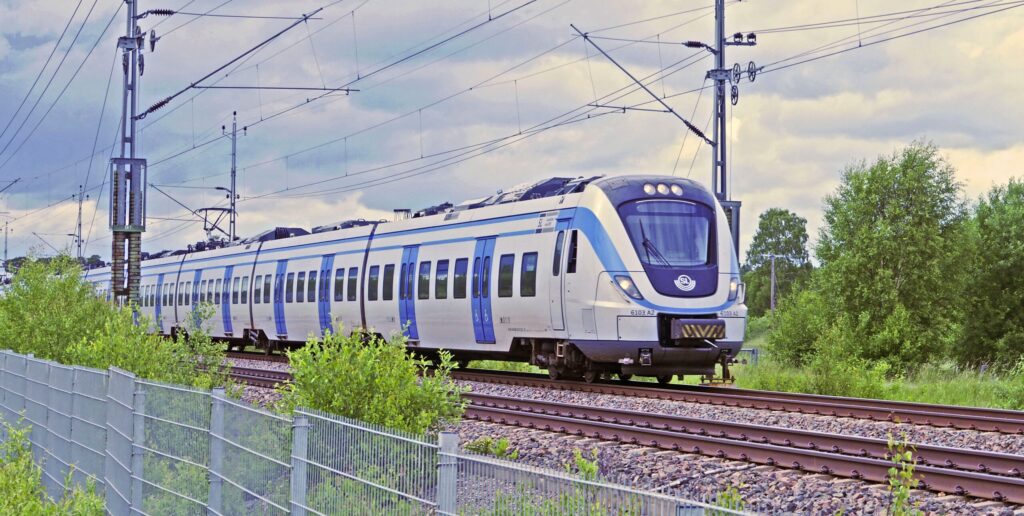
The benefits of sustainable transportation are multiple. Besides over 50% reductions in greenhouse gas emissions, other environmental benefits are improved air quality, reduced oil dependence, and less noise pollution.
Social and health benefits of treading lightly include more active lifestyles, improved safety, social equity with affordable and accessible mobility for all, and better urban livability.
Economic benefits include lower operating costs since electric vehicles and electric public transport generally have lower maintenance and refueling costs compared to internal combustion engines. Sustainable transportation also means green job creation.
Sustainable transport is particularly important as climate change places increasing pressure on transport infrastructure. Flooding, heatwaves, sea-level rise and extreme weather events are damaging roads, railways ports and airports disrupting mobility, supply chains and public services. With better planning, our cities can become more resilient in the face of growing climate risks. And more resilient cities means more resilient communities.

Author bio: A Living Green Barrie volunteer since 2025, Cynthia Lauer, PhD is a member of Simcoe County Master Gardeners and a regular contributor to The Gardener magazine.