9836
Trees Planted

By: Cynthia Lauer
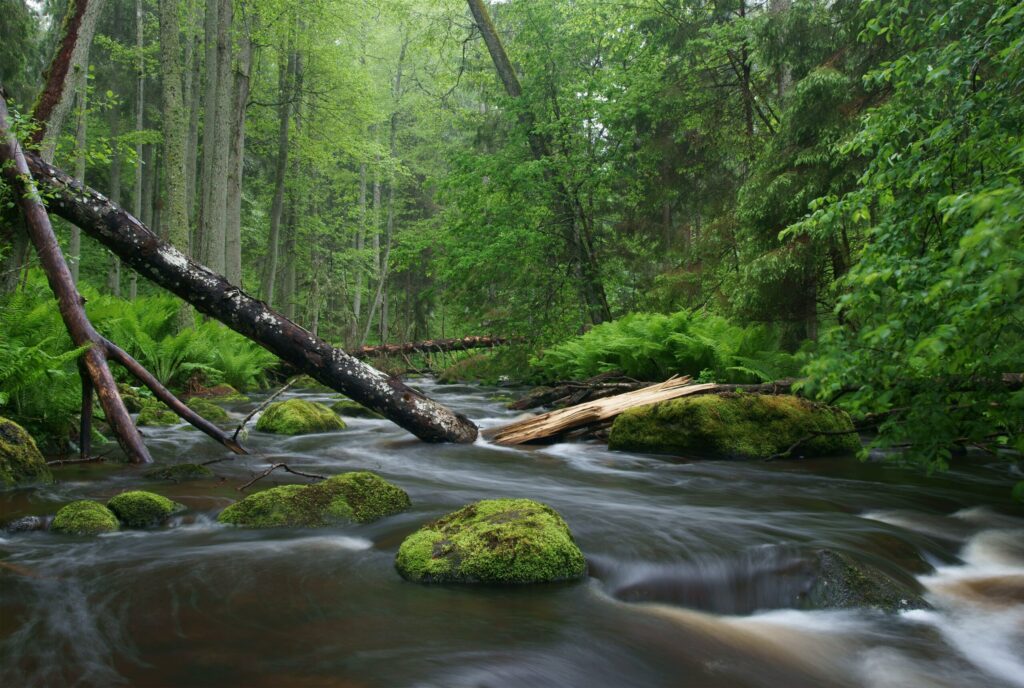
Wisdom of the restorative effects of green spaces is as old as plants themselves. Indigenous societies embrace spiritual and emotional strength from an intimate relationship with nature, but this experience resonates for diverse cultures across the expanse of time. The feeling of well-being that one achieves in the proximity of plants is direct and unmediated.
The phenomenon is the subject of scientific inquiry but the rewards of the therapeutic garden as so bountiful that no outdoor laboratory can measure all of them. Multiple health benefits—physiological, emotional, psychological, social, spiritual—are enjoyed by individuals wherever they interact with plants.
Nature as a Clinical Intervention
Research on the effects of natural environments on physical and mental health points to a wide scope of outcomes. In a consolidation of research on the subject, a Toronto Public Health report notes the positive impact of green space on reductions in obesity, cardiovascular disease, all-cause mortality, and improved birth outcomes. In 2015, the scholarly journal, Urban Forestry and Urban Greening published a systematic review of research on the physiological benefits of green space. It found strong evidence for a positive association between the quantity of green space in people’s living environment and perceived mental health and mortality due to all causes. The effects are general and lifelong.
Nature as a Clinical Intervention
Research on the effects of natural environments on physical and mental health points to a wide scope of outcomes. In a consolidation of research on the subject, a Toronto Public Health report notes the positive impact of green space on reductions in obesity, cardiovascular disease, all-cause mortality, and improved birth outcomes. In 2015, the scholarly journal, Urban Forestry and Urban Greening published a systematic review of research on the physiological benefits of green space. It found strong evidence for a positive association between the quantity of green space in people’s living environment and perceived mental health and mortality due to all causes. The effects are general and lifelong.
Simply looking at nature reduces anxiety, stress, and heart rate, and increases directed attention and mood. In 1984, a now-classic study on gall bladder patients in a Pennsylvania hospital appeared in Science showing that post-operative healing took less time for patients with a window-view of nature than for those patients with a view of a brick wall. Patients with a view of trees also required less potent pain medication and had fewer postsurgical complications.

An article published in Social and Personality Psychology Compass summarizes abundant evidence of the psychological well‐being induced by nature including inspiration, spiritual experiences, positive memories, and a sense of attachment to a specific place. Specific effects vary by the duration and frequency of visits, as well as biodiversity, landscape type, tree canopy density, quality, location, and other factors.
In addition to its psychological benefits, moving through natural environments improves cognitive function, academic performance and the ability to perform mentally challenging tasks. Nature is restorative in that it improves one’s focus and reduces mental fatigue. With respect to emotional well-being, there is evidence of nature’s beneficial changes on feelings of energy, anxiety, anger, fatigue and sadness. One meta-analysis of samples from over 8,500 participants found a significant relationship between nature and what is known as hedonic well-being, an indicator of happiness, positive emotion and life satisfaction.
Nature as Wellness Factory
Interacting with plants, forests, and soil has positive effects on everyone and can be achieved without any equipment, cost, or procedures. All you need is a brief session in nature. Whether in the form of wilderness backpacking, gardening, restoring prairie ecosystems, or simply having a view of trees outside your window, horticulture has been linked to a long list of good things. Walking through green spaces is good for you. Research published in International Journal of Wellbeing describes its benefits on autonomy and other measures of psychological well-being like personal growth, self-esteem, self-regulation, vitality, and social competency. Long duration in nature is unnecessary. Studies have shown that large benefits can be achieved with a minimal investment of time. In fact, the largest gains are observed within the first five minutes of activity.
One practice known as forest bathing is based on the Japanese tradition of shinrinyoku. A report published in the International Journal of Environmental Research and Public Health summarizes the research. Spending time in woodland areas decreases stress and blood pressure, lowers heart rate and cortisol levels, and boosts mood.
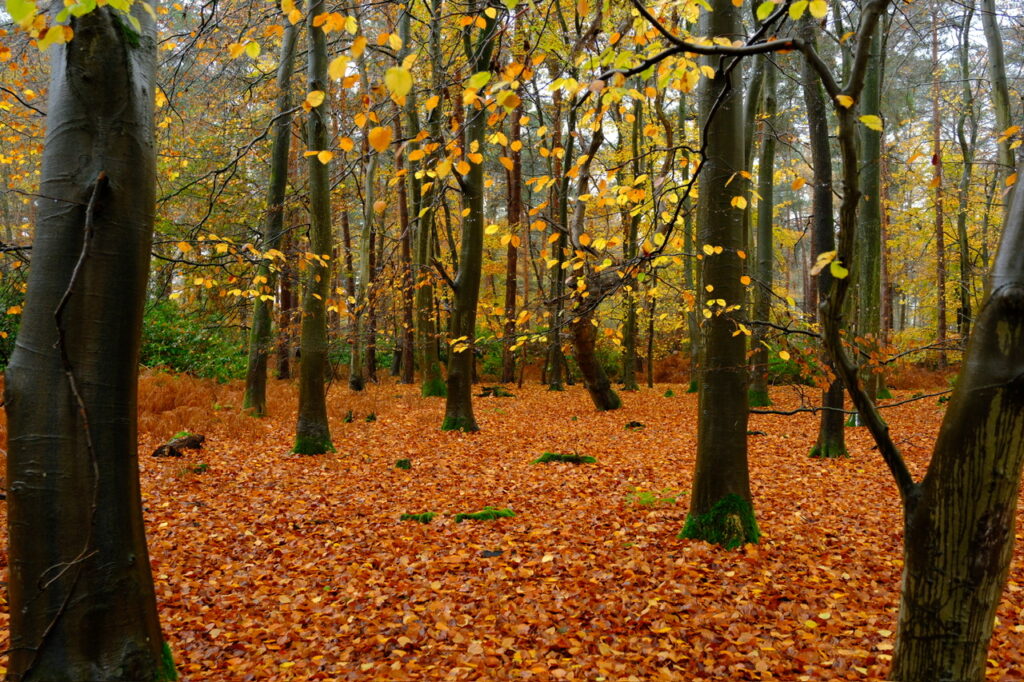
Forest therapy improves anxiety symptoms in patients with chronic stroke, depression in elders, blood glucose levels in people with Type II diabetes, and heart function in cardiac patients and patients with chronic obstructive pulmonary disease.
Benefits were measured in those with early dementia, post-traumatic stress disorder, hypertension, alcoholism, breast and lung cancer, major depressive disorder, chronic widespread pain, and substance abuse. Forest bathing improves sleep time, depth of sleep and sleep quality.
BioPhilia, Phytoncides, and Bacteria
It’s one thing to describe the links between health and plants. It’s another to explain why these links work as they do. Let’s take a look at a few theories that have attracted a good deal of interest.
Coined by American biologist E. O. Wilson, biophilia refers to our love of the natural environment. Affiliation with nature gives us a sense of deep satisfaction and imbues it with aesthetic, intellectual, and even spiritual meaning. American horticulturalist Diane Relf claims hortophilia as a sub-category of biophilia. Our needs go beyond interacting with nature to entering into a caring relationship with it. A fundamental desire to grow, care for, propagate and harvest plants emerges from a dynamic relationship with them.
Attention Restoration Theory was developed in the 1980s by psychologists Stephen and Rachel Kaplan. The theory posits that nature restores “attention fatigue” that occurs during the performance of prolonged cognitive tasks. Spending time in nature creates an opportunity for reflection and consideration of unresolved issues. Leaves rustling in the breeze or water running over rocks in a stream draws our involuntary attention and helps us recover depleted resources whether they are psychological, physiological, or social.
Phytoncides, or wood essential oils, are volatile organic compounds with names like limonene, pinene and terpene. Emitted by plants through their leaves, flowers, and fruits, phytoncides defend the plant against decay or attack by herbivores. They permeate the air in natural environments and are inhaled during nature walks

Research has found that some phytoncides are antimicrobial and anti-inflammatory and can decrease mental fatigue and anxiety, induce relaxation, and improve cognitive performance and mood. They may even enhance the immune system. Research is testing the effect of phytoncides on cancer cells.
We are exposed to the bacterium Mycobacterium vaccae in water, soil, and vegetation. When inhaled, M. vaccae activates a set of serotonin-releasing neurons in the brain, affecting mood, arousal, and learning. In mice, the bacterium works like an antidepressant and long-lasting anti-inflammatory. It also lowers maze run times, mistakes, and anxiety behaviour. Neuroscientist Christopher Lowry suggests that M. vaccae activates immune cells. And it is not unique. There are millions of other strains of bacteria in soils; scientists are just beginning to investigate their health effects.
Being around trees delivers abundant gifts. Access is open, free, and generous. You don’t have to be suffering from stress or any other problem in order to experience these rewards. The healing properties of trees, like all plants, can be enjoyed by anyone seeking well-being and renewal.
A Living Green Barrie volunteer since 2025, Cynthia Lauer, PhD is a member of Simcoe County Master Gardeners and a regular contributor to The Gardener magazine. Her work is AI-free.