

More on this in our Resource Library:
- Reducing waste: small steps, big impact — where to start
- Why reducing waste matters in Barrie — the landfill, and the hierarchy that begins with refusing
- A hopeful guide to reducing food waste — including how to make stock from scraps
- Repairing beats tossing
- Fix it, don’t ditch it: local repair specialists
- Six ways to repurpose a garbage or organics bin
Can’t find what you are looking for? Get in touch and we will do our best to track it down and share it with the community.
The Repair Cafe!
The Repair Café began as a simple but inspired idea in the Netherlands. In 2009, Dutch journalist and environmentalist Martine Postma organized the very first Repair Café in Amsterdam on 18 October, after recognizing how much still-working household stuff was ending up in the garbage.
How and why it started
-
Postma had been working in sustainability and local community projects, and felt frustrated by the throw-away culture. She realized: people often discard items because they lack the tools, skills or confidence to fix them — not necessarily because they were irreparable.
-
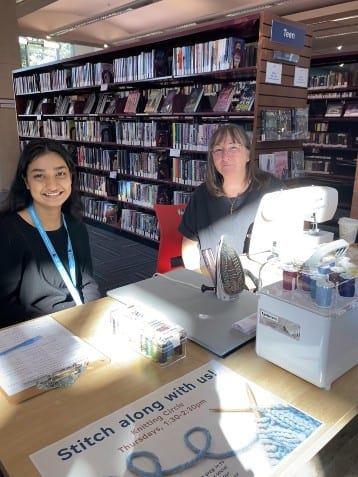
The concept: create a friendly, community-space (a “café” atmosphere) where people bring broken items (electronics, clothing, small appliances, toys, etc.), and, with the help of volunteer fixers and tools, try to repair them together.
-
The first event was a success and from there the movement spread — post-2010 the Repair Café International Foundation was established to support new local groups around the world.
Why it’s important
-
Waste reduction & sustainability: By repairing items rather than discarding them, Repair Cafés help conserve raw materials, reduce energy consumption, and lower CO₂ emissions associated with manufacturing and disposal of new products.
-
Skill-sharing and knowledge preservation: They help revive and preserve “repair skills” which are increasingly rare in a disposable-culture world. Volunteers share know-how with visitors, empowering people to fix things themselves.
-
Community building: Repair Cafés serve as meeting places where people from different backgrounds connect, collaborate, and feel empowered — they’re as much about social cohesion as about fixing lamps or toasters.
-
Cultural shift: The movement challenges the “throw-away mindset” and promotes a culture of maintenance, reuse and longevity. This helps reshape how we relate to our possessions — seeing value rather than discarding at the first fault.
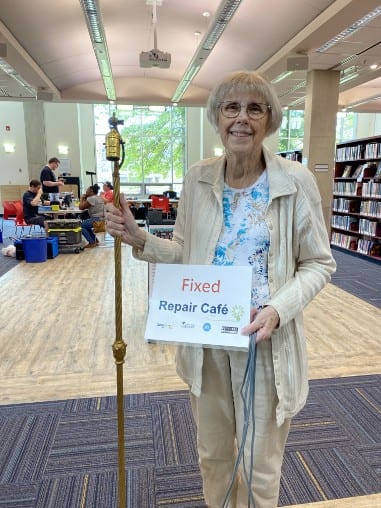
The Repair Cafe is hosted by Barrie Public Library (various locations) in partnership with Living Green Barrie, Brix and Firebird Community Cycle.
Be a fixer!
Do you have repair skills you would like to share at a repair cafe? We would love to hear from you, contact us at ••••@••••••••••••••••!
Click Here For More Repair Cafe Info and How to Register
Talkin’ Trash with Will Nash!
We love Will and appreciate the good work being done by the people at Busch Systems. Check out all episodes of Talkin’ Trash with Will Nash on YouTube!
Description:
Get ready for Talkin’ Trash , the podcast that doesn’t just dish out the dirt—it digs deep! Hosted by the dynamic Will Nash from Busch Systems, this show is all about real talk on the environment, sustainability, and the art (and science) of recycling. Known for spillin’ the tea with an unmatched energy, Will brings an entertaining twist to some of today’s most pressing issues, from tackling waste and responsible consumption to the genius solutions reshaping our world. Each episode features inspiring guests, from experts and activists to visionary leaders, all working together to create a cleaner, greener future. If you’re ready for insights, laughs, and practical tips to make a difference, Talkin’ Trash is where you’ll find out how we can all work together for a better planet.
12 Climate Actions: Reduce Waste
Embrace a Low-Waste Lifestyle
While achieving a zero-waste lifestyle may seem daunting, transitioning to low-waste living is feasible and highly impactful. This March, join us in our challenge to minimize waste and consider the full lifecycle of the items you use.
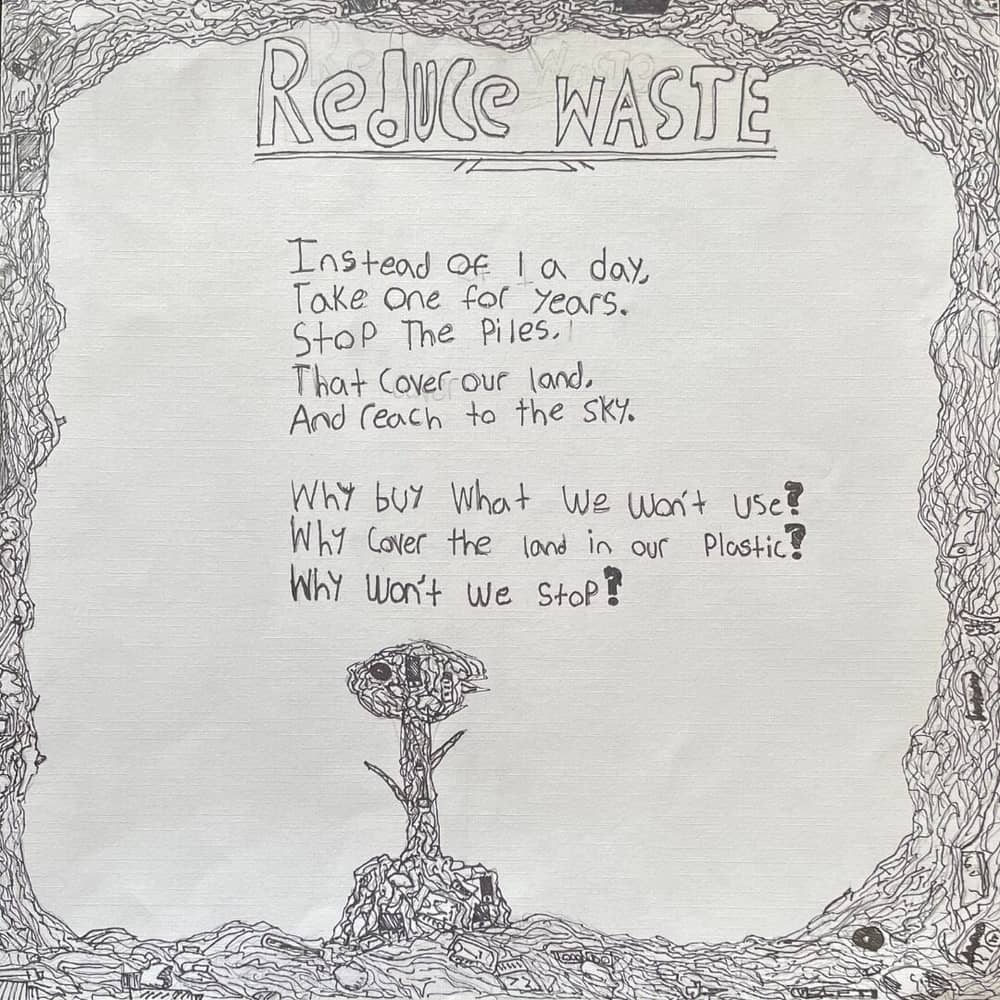
Thank you to the young environmental stewards at Urban Village Academy for their inspiring posters supporting our 12 Actions for Climate program—your creativity helps drive meaningful change!
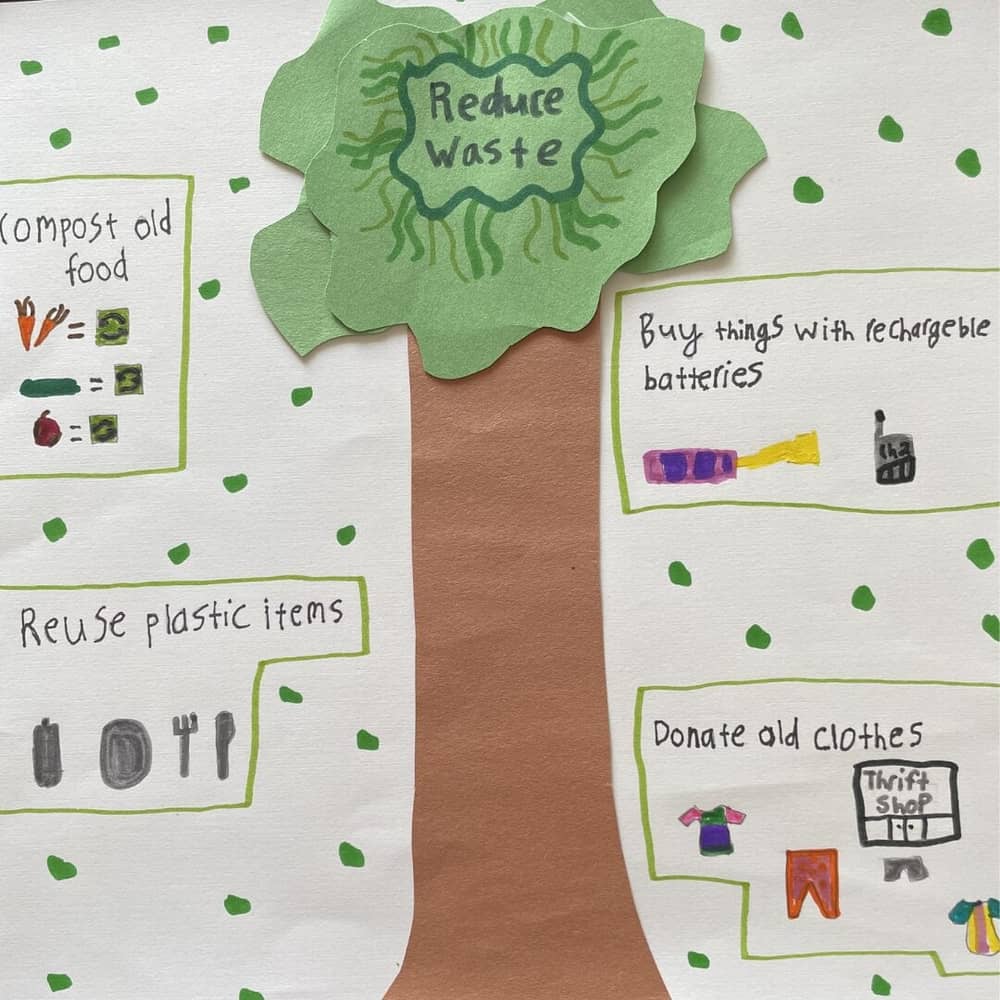
Understanding Waste in Our Daily Lives
Every item discarded in your trash can, especially non-recyclable plastic, is a missed opportunity to reduce environmental impact. On a finite planet, there’s no “away”; everything you throw out has to go somewhere, often contributing to pollution and carbon emissions.
Thank you to the young environmental stewards at Urban Village Academy for their inspiring posters supporting our 12 Actions for Climate program—your creativity helps drive meaningful change!
Plastic Pollution: The Hidden Costs
Plastic remains a significant problem due to its production processes and end-of-life issues. It’s nearly impossible to completely eliminate plastic use, but understanding its true cost—including environmental degradation and health risks—is crucial. Making conscientious choices to avoid excessive plastic use can substantially decrease your ecological footprint.


Tackling Food Waste Effectively
In Canada, about 58% of all food produced is wasted annually, amounting to over 35 million tons. By implementing strategies like better meal planning and composting, you can significantly reduce this waste. Composting is particularly effective as it prevents the production of methane—a potent greenhouse gas—by keeping organic matter out of landfills.
Practical Actions to Reduce Waste
Assess Your Garbage Can
Start by examining what you throw away. Focus on reducing non-recyclable plastics and explore alternatives like reusable veggie bags and bulk refilling options. Support local businesses like “Oh Beehive!” that promote sustainable consumer products.
Compost
Use your green bin and backyard composter. Composting helps convert organic waste into valuable soil amendment, avoiding methane production in landfills.
Reduce Food Waste
Plan your grocery shopping and meals to avoid excess. Utilize leftovers and freeze surplus food to extend its life and usability.
Recycle Wisely
Treat recycling as a last resort due to its energy and carbon footprint. Instead, focus on repairing, repurposing, and refusing overpackaged goods. Let retailers know why you opt out of overly packaged items to encourage more sustainable practices.
Through initiatives like our “Gala in the Woods,” which successfully minimized waste for over 120 guests, we demonstrate that significant waste reduction is achievable and impactful.