

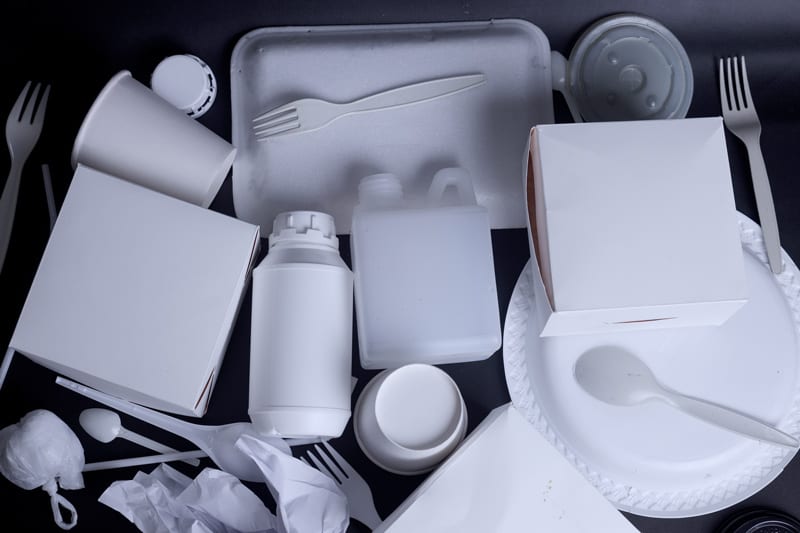
Reducing waste is not about tidy streets. It is about resources, emissions and a landfill with a closing date on it.
The local picture
Sandy Hollow, Barrie’s main waste disposal site, has been in operation since the early 1960s. Work to extend it added more than a million cubic metres of capacity and pushed its expected closure to around 2035. Given how fast the city is growing, that is a reprieve rather than a solution.
Ontario as a whole is projected to run out of landfill capacity by 2032 if waste generation keeps on as it is. That is close enough to be a planning problem now.
Why it matters beyond the landfill
Landfills emit methane, which is a far more potent greenhouse gas than carbon dioxide over the short term. Leachate from buried waste can contaminate soil and groundwater. And all of that is downstream of the real cost: making and shipping the things in the first place consumes energy, water, forest and habitat, whether or not anyone ever uses them.
What to do, in order
Refuse
We are told to reduce, reuse and recycle. Refusing comes before all three, and it is the one nobody mentions.
It means declining things that are going to end up in landfill: excessive packaging, single-use plastic, free items you will not use.
- Say no to plastic cutlery and straws with takeaway.
- Politely decline promotional freebies.
- Choose products with less packaging, or none.
- Tell shops and brands that packaging matters to you.
- Support businesses using refillable, compostable or recyclable materials.
It is a small shift with a lot behind it: from reacting to waste to preventing it. Enough people doing it changes what businesses offer.
Reduce
Be deliberate about what you buy. Minimal packaging, and things built to last.
Reuse
Before anything is discarded, ask whether it can be repurposed or donated.
Fix
Mend the clothes, glue the chair, repair the electronics. Repair Café dates and locations are on our events page, and there is a list of local repair specialists.
Recycle
Learn Barrie’s guidelines so that what you put out actually gets processed.
Compost
Use the city’s organics collection to keep food and yard waste out of landfill.
Borrow
Tools, décor, specialist equipment: borrow from neighbours or a lending library rather than buying something you will use twice.
Educate
Stay informed, and pass it on.
Addressing this takes individual habits and community programmes together. Neither on its own gets there.