

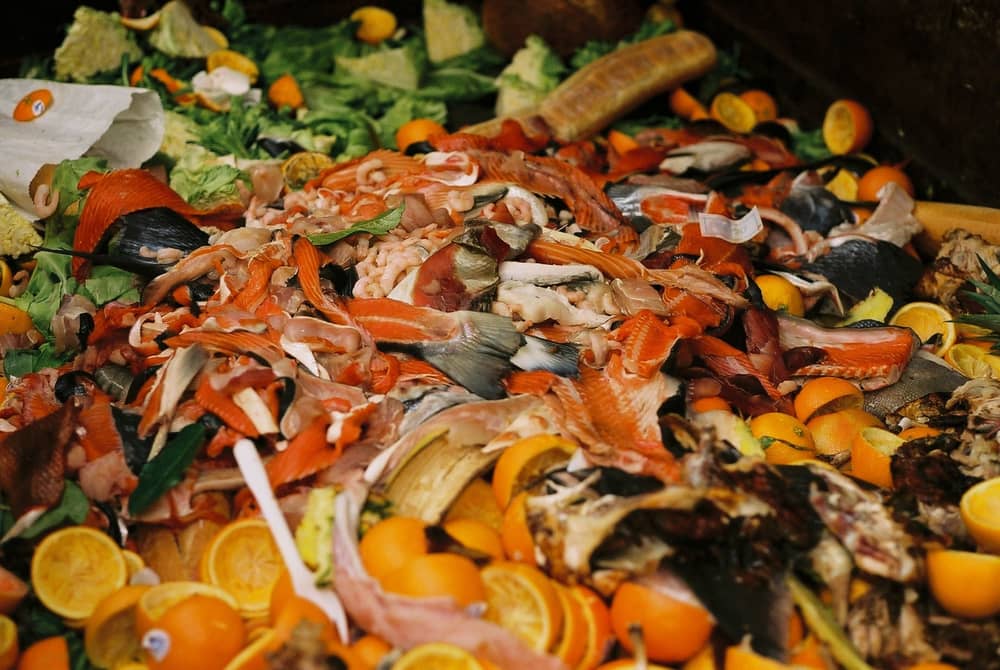
Every year millions of tonnes of perfectly good food are thrown away, food that could have been eaten, shared, composted or repurposed. The good news is that this is one of the few climate problems where household decisions genuinely move the number.
Why it matters
- Wasted food costs households money, and it strains the environment twice over: once to grow and ship it, again when it rots.
- Food decomposing in landfill releases methane, a potent greenhouse gas.
- Globally, around one third of all food produced is wasted between farm and fork.
- Small shifts in how we shop, cook and store add up quickly across a community.
In Canada, the Love Food Hate Waste campaign is built on exactly that idea.
A shift in thinking
The useful move is from I bought it, so I should try to use it all to I will plan, store and repurpose so that nothing goes unused. It starts at the shop rather than at the bin.
Six things that work
1. Plan, take stock, shop smart
- Audit the kitchen first. Check the fridge, freezer and cupboard before you go, so you do not buy a second jar of something.
- Plan the week loosely. Pick recipes that share ingredients: roast vegetables one night, soup from the leftovers the next.
- First in, first out. Older items to the front, where you will see them.
- Resist the just-in-case bulk buy unless you know you will use or preserve it.
- Buy the odd-shaped produce. It tastes the same and often costs less.
2. Store it well, and read the labels properly
- Match the storage to the food. Leafy greens in the high-humidity crisper; bananas and apples away from the vegetables they will ripen.
- Wash berries and soft fruit just before using them, not when you get home. Moisture speeds spoilage.
- Know the difference between best before and use by. Plenty of best-before food is perfectly safe afterwards, just past its best.
- Use clear containers, and date them, so leftovers do not vanish into the back of the fridge.
3. Eat or freeze the leftovers promptly
- Cook for leftovers on purpose. Double the grains or the protein if you know you will rework them.
- Freeze in portions anything that will not be eaten within two or three days.
- Turn them into something else: sheet-pan dinners, burritos, stir-fries, grain bowls.
- Share the extras with neighbours, friends or a local food rescue group.
4. Make stock from your scraps
This is our favourite kitchen trick: almost no effort, and it replaces something you would otherwise buy in a box.
- Collect scraps in a jar or freezer bag: onion skins, carrot ends, celery leaves, mushroom stems, herb stems. Avoid anything that spoils fast, like soft tomatoes, and go easy on starchy things like potato peel.
- Keep them in the freezer until you have a litre or so.
- Simmer gently from frozen: cover with water, add a bay leaf, a few peppercorns and a little salt, and give it 30 minutes to an hour. Longer than that and it turns bitter.
- Strain through a fine mesh or cheesecloth. Use it straight away, or freeze it in cubes for soups, stews, sauces and cooking grains.
- If you use bones or meat, add the vegetable scraps for the last 10 to 15 minutes so the flavours stay balanced.
Better than the packaged stuff, and free.
5. Compost what you cannot eat
If something will not be eaten or repurposed, composting is the next best thing: it becomes soil instead of methane.
- Most municipalities, Barrie included, run a green bin or curbside organics programme.
- With a bit of space, an indoor or backyard system works well.
- Balance the greens (fruit and vegetable scraps) with browns (leaves, paper) to keep it happy.
6. Measure, reflect, improve
- Track what you throw out for a week, and why. The pattern is usually obvious once it is written down, and it is usually the same two things.
- Set a small target. Cut the scraps by a fifth this month.
- Tell people how it went, successes and failures alike. Tag us on Instagram and Facebook.
- Ask for systemic change where you work, where your children go to school, and at the city.
Your checklist for this week
- Start a scrap collector for stock tonight.
- Do a kitchen inventory and a meal plan before your next shop.
- Share leftovers rather than losing them.
- Use the compost or green bin if you have one.
- Get one other person to join you.
Every meal is a choice between wasting and reclaiming, and the choices add up. Wasting food is not inevitable: it is preventable.