10,000
Trees Planted

By: Cynthia Lauer
It’s November. This month, Living Green Barrie’s 12 Actions for Climate focuses on adopting a sustainable approach to consumerism by reducing unnecessary purchases. This is an action everyone can do to decrease waste and conserve resources.
Consumerism is a habit. It’s powerfully driven by social media platforms that affect prevalent social values. It’s easy to believe that we need that swank kitchen gadget, that trending electronic device, that chic outfit, or that complicated toy.
Next time you’re shopping, take a minute to reflect on your actual need for that item. Are these needs that satisfy a real deficit? Or are they desires whose satisfaction feels good at the moment?
Now take those needs and desires and calculate their environmental cost.
If you can live without that item then you’re avoiding the environmental costs of manufacturing, storage, fuel, packaging, and all the other resources that goes into getting the item to you.
Here are some other rewards in buying less:
Here are some strategies for buying less stuff.
Here is one easy thing you can do to stop the ads you receive by mail—ask Canada Post to stop delivering them to you. I did this years ago for my community mailbox. Now I receive only important things—a very small amount of real mail and a couple of subscriptions every month. That’s it. The program is called the Consumers’ Choice program because when the mail carrier opens your community box, they see a note posted just inside. This tells the mail carrier not to deliver flyers, restaurant menus, coupons, offers, and other junk mail to that mailbox owner. (You will still receive government mailings that are in the public interest as well as material about elections.)


If you’ve ever gone shopping to cheer yourself up, or bought yourself stuff as a reward for a difficult week, it’s helpful to find a different reward that doesn’t require shopping.
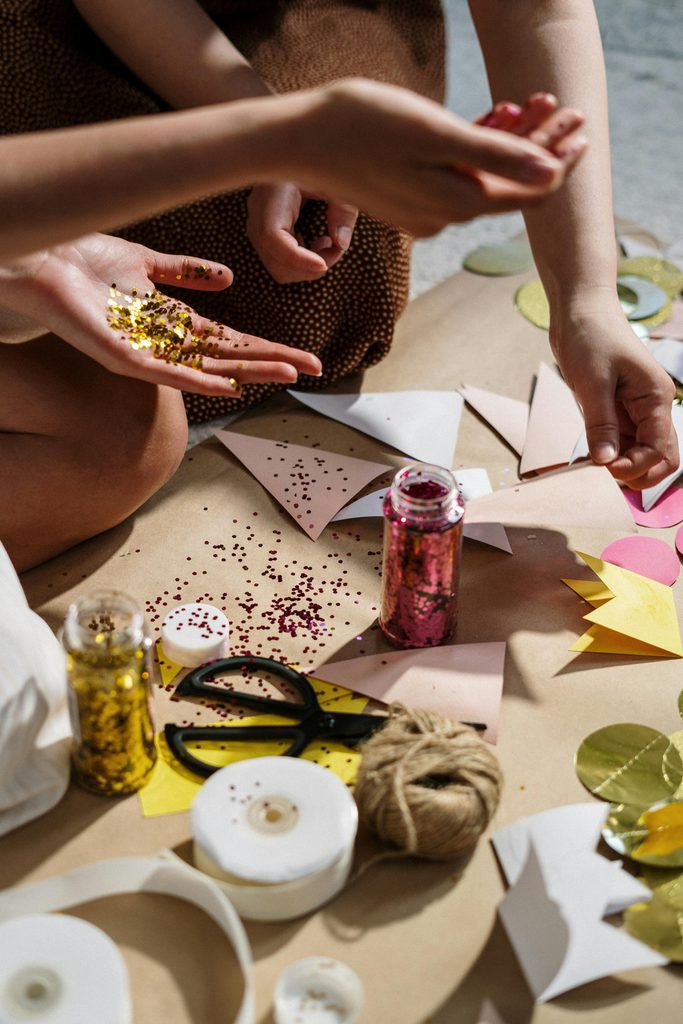
Take a walk or go for a run, a hike, a swim or a bike ride. Listen to a podcast, read a library book, play an instrument, bake, do arts and crafts, or learn a new skill. Support local arts organizations by seeing a play, an exhibit, or a concert. Start a family project like a print photo album, a family playlist, or take up a nature challenge: who can spot the largest tree, identify a wildflower, find animal tracks?
Instead of pondering what you would to buy, ask yourself what you would like to know more about. Learning (from reputable sources) is often free, endless, and accessible.
There’s no end of things that can bring joy and a sense of satisfaction. The benefits are improved well-being for you and your family and ultimately, families everywhere. The consumer marketplace connects us all. Let’s take better care of each other by buying less, buying better, and sometimes, not buying at all

Author bio: A Living Green Barrie volunteer since 2025, Cynthia Lauer, PhD is a member of Simcoe County Master Gardeners and a regular contributor to The Gardener magazine.