

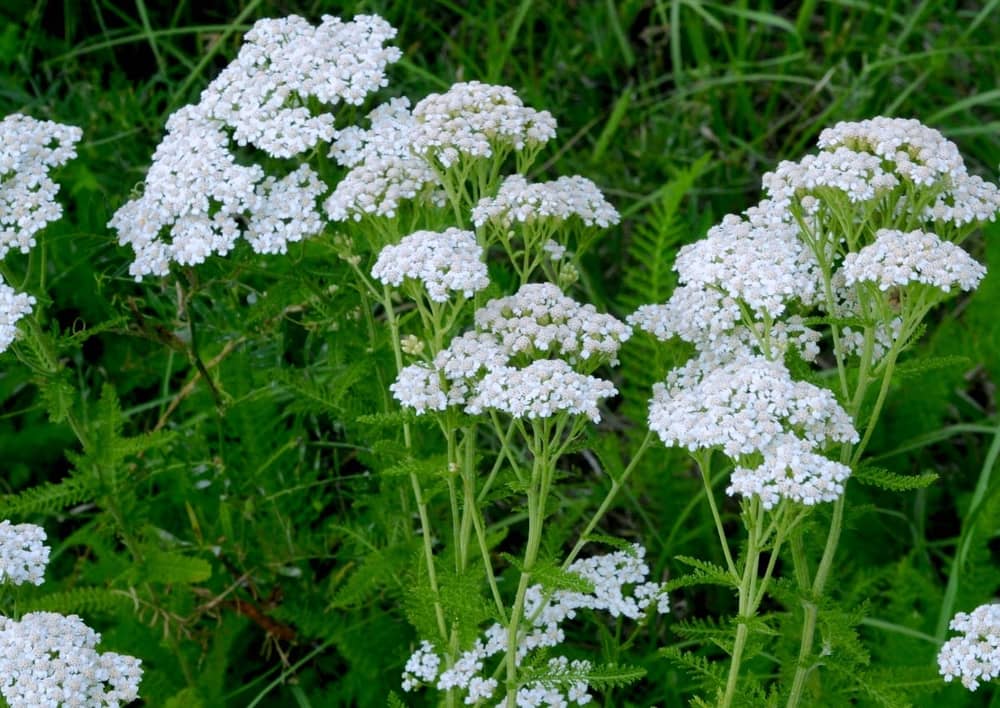
Many of the plants in our gardens are not native to Canada. Most arrived as ornamentals from elsewhere, and some of them are invasive here: they spread into natural areas and degrade the habitat that native plants and animals depend on.
Gardening with native plants turns that around. A yard becomes a small nature reserve rather than a gap in one.
Why bother
- Pollinators turn up. Monarchs and native bees need the plants they evolved with for food and habitat.
- Less work for you. Native plants are generally lower maintenance than imported ones, because they are already adapted to this climate and soil.
- Birds follow. Berries, seeds and the insects the plants support.
- Shorelines hold. Native planting is the way to naturalize a shoreline and keep it in place.
Getting started
- Audit what is there. Identify any invasive plants growing in your garden. Taking them out stops them spreading and makes room for something better.
- Find out what is already native in your yard, or what would grow well there.
- Pick one spot. This does not happen overnight. Restore one area and work outwards from it.
Where to get plants and advice locally
- Our native tree and shrub store — trees, shrubs and flowers, locally grown, low cost, and every purchase funds tree planting in Barrie.
- Pollinate Barrie — a volunteer-led group founded in 2022 by Ashley Hammell and Kelly Patterson McGrath. They work with residents, schools, organizations and the City on native ecosystem restoration and pollinator habitat, and they publish free garden plans. We are proud to partner with them.
- Ontario Native Plants — a mail-order nursery supplying locally sourced native species.
- St. Williams Nursery and Ecological Centre — the largest native plant nursery in the province.
- Simcoe County Master Gardeners — workshops and advice.
Useful tools
- iNaturalist — photograph a plant and find out what it is.
- Grow Me Instead — the Ontario Invasive Plant Council’s guide to what not to plant, and what to plant in its place.
- Nature Conservancy of Canada — conservation news, species guides and further reading.
Twelve plants to start from
The Nature Conservancy of Canada publishes a short brochure on native gardening in Ontario, with twelve species grouped by what they are good for: bees and butterflies, birds, shoreline naturalization and ground cover. It covers Canada goldenrod, black-eyed Susan, wild bergamot, swamp milkweed, wild columbine, cardinal flower, pin cherry, winterberry holly, pussy willow, foam flower and wild woodland strawberry, with where each one grows, when it flowers, and what it attracts.
It is theirs rather than ours, so we link it rather than reprinting it. It is a good thing to print and take to the garden centre.
Native Gardening in Ontario (PDF, Nature Conservancy of Canada)
- Naturalizing your yard
- Decolonizing your yard, and why it matters
- Trees for Bees pods, our native tree and pollinator planting programme