

It’s February. This month, Living Green Barrie encourages you to use your buying power, specifically your investments, to make positive change.
When you hear people discussing their investments or new investment opportunities, you generally know what they’re talking about. You may have investments yourself. To invest means “to use, by purchase or expenditure, in something offering potential profitable returns, as interest, income, or appreciation in value.” Investing with this gainful purpose in mind is a familiar concept.
In the context of the environmental movement, the word ‘green’ is also widely understood. It means “environmentally sound or beneficial”.
But what is green investing?
Green investing means allocating financial resources to projects or companies that focus on sustainable practices, environmentally friendly technologies, and the conservation of natural resources. Selecting which projects or companies to invest in requires principled decision-making. Green investors choose companies that have a positive global impact on the natural environment.
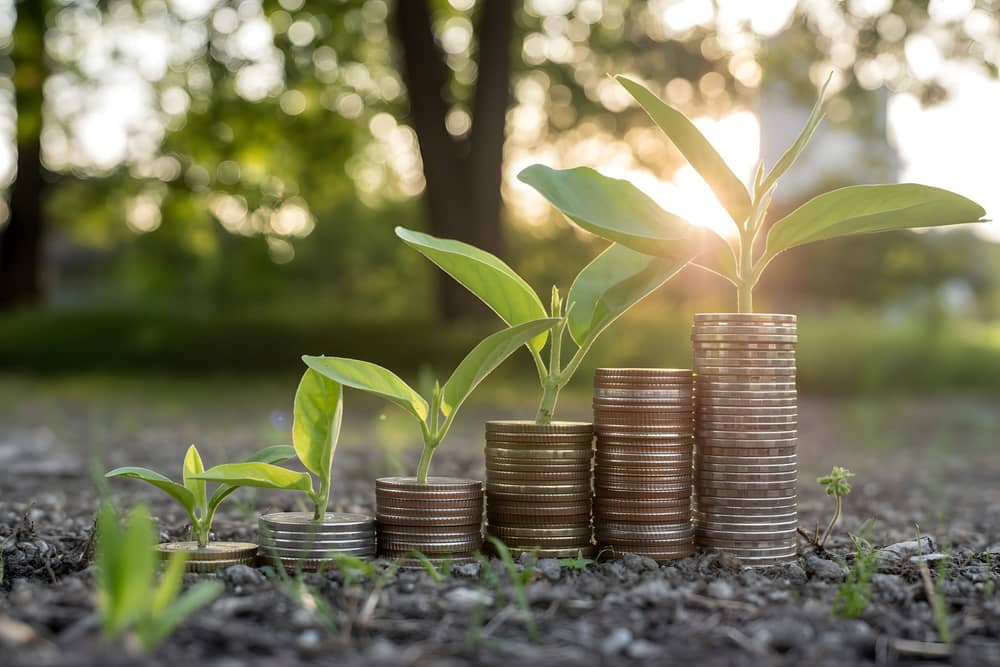

In the world of finance, green investing is a bold and new way forward. But identifying appropriate investment strategies is not always easy. Some investors seek ways to decrease their ecological footprint without making a meaningful change to their financial practices. Transparency can be hard to come by. As a result, you can end up investing in companies that damage the environment directly or even indirectly through infrastructure that supports harmful activities.
If you are taking some first steps in green investing, here are five sectors worth exploring.
Renewable Energy
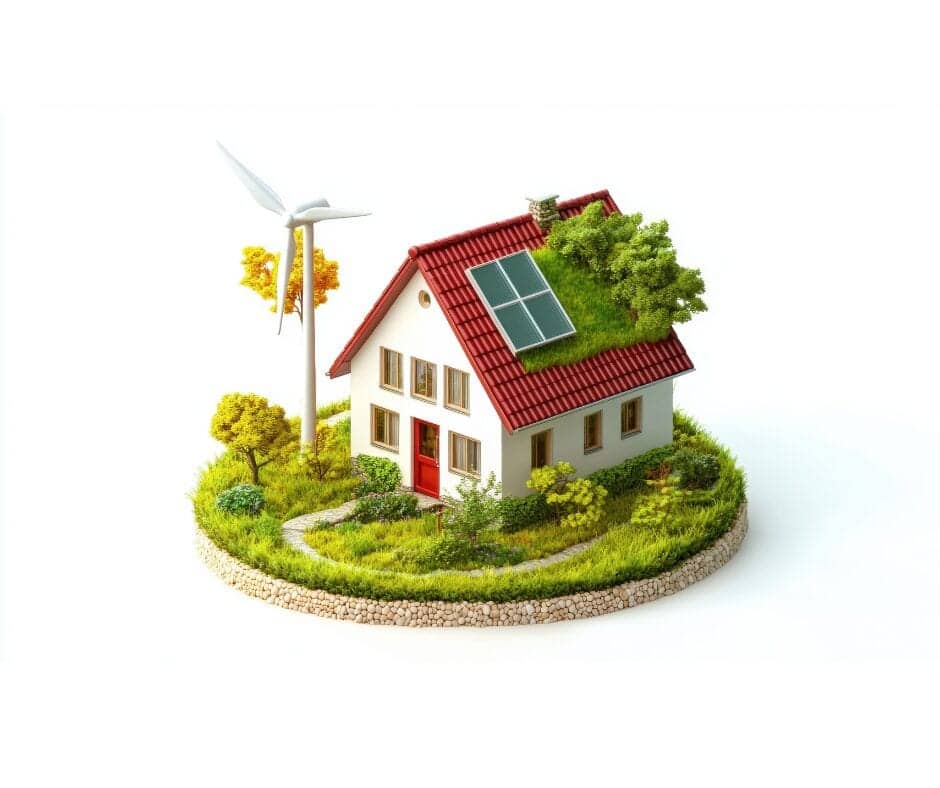
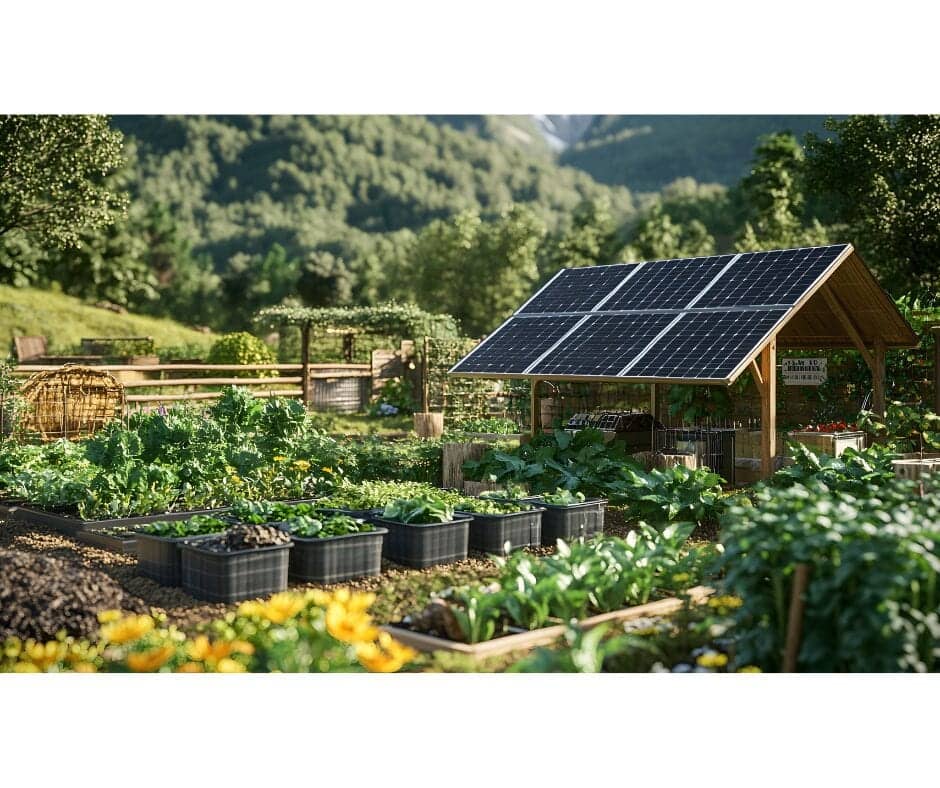
- Solar power: Investments in solar energy projects, including photovoltaic panels and concentrated solar power systems.
- Hydro power: Investing in hydroelectric power plants and small-scale hydro projects.
- Geothermal power: Financing the exploration, development, and operation of geothermal power plants.
- Biomass energy: Supporting the production and utilization of biomass for energy generation including biofuels and biogas.
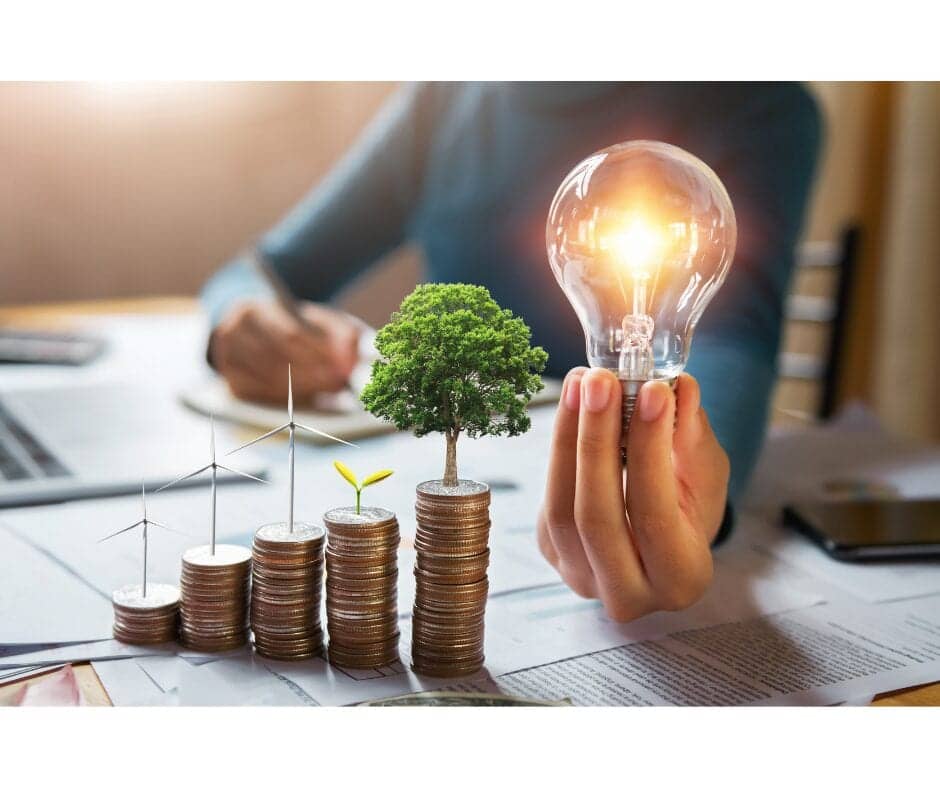
Energy Efficiency and Conservation
- Green buildings: Investing in the construction and retrofitting of buildings to improve energy efficiency and reduce environmental impacts.
- Smart grid technologies: Funding the development and implementation of smart grid systems to optimize energy distribution and consumption.
- Energy storage solutions: Supporting the development and deployment of energy storage technologies, such as batteries and pumped hydro storage.
Sustainable Agriculture and Forestry
- Organic farming: Investing in agricultural practices that prioritize environmental stewardship and avoid synthetic pesticides and fertilizers.
- Agroforestry: Financing integrated land-use systems that combine trees with crops and/or livestock production to enhance biodiversity and ecosystem services.
- Reforestation and afforestation: Funding projects that aim to restore and expand forest cover to sequester carbon and improve ecosystems.
Sustainable Transport
- Electric vehicles: Investing in the development, production, and adoption of electric vehicles and charging infrastructure.
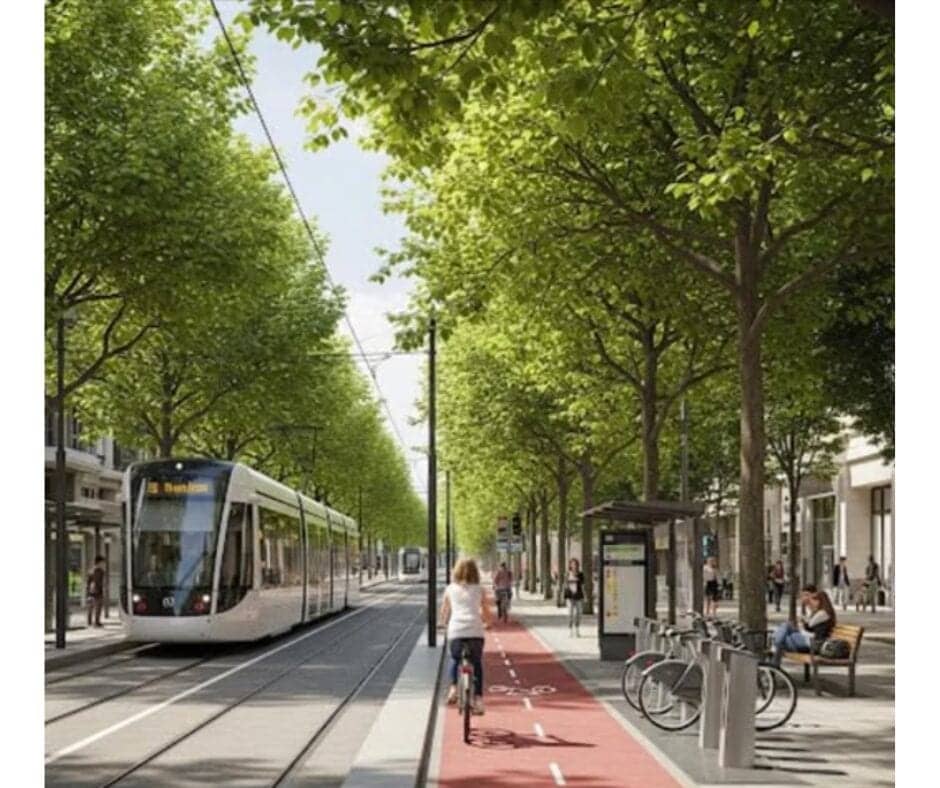
- Public transportation: Supporting the expansion and improvement of public transportation systems to reduce greenhouse gas emissions and traffic congestion.
- Alternative Fuel Vehicle (AFV): Financing the development and commercialization of alternative fuels, such as biofuels and hydrogen.
Waste Management and Recycling
- Circular economy: Investing in businesses that promote the efficient use of resources, waste reduction, and recycling.
- Waste-to-energy technologies: Supporting the development and implementation of technologies that convert waste into energy, such as biogas and waste incineration.
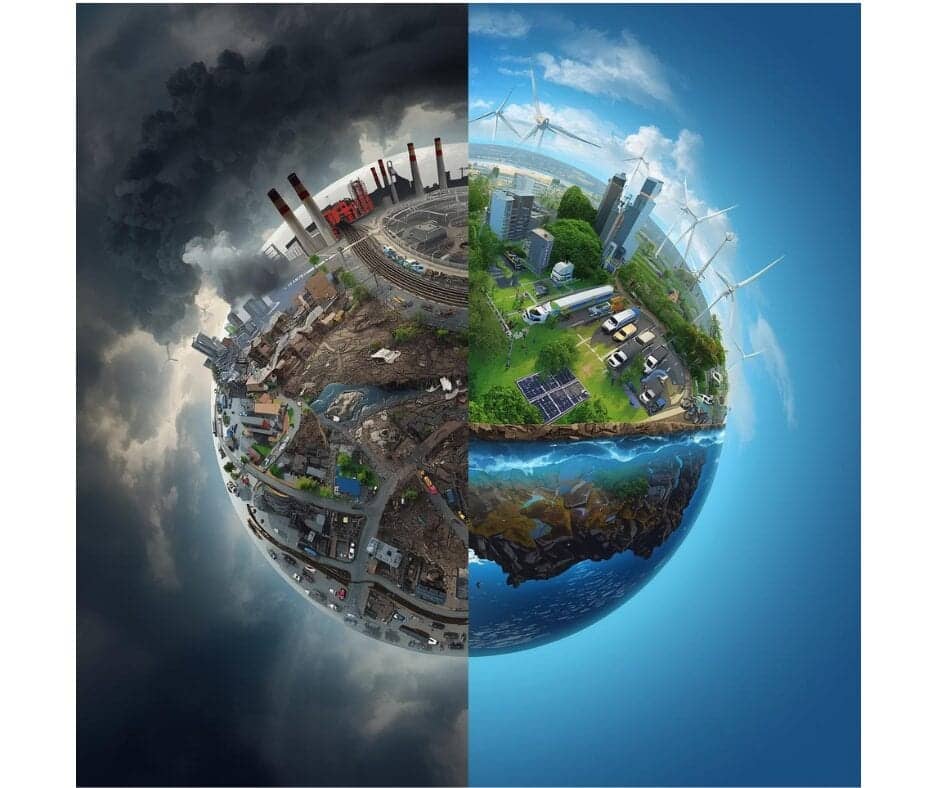
- Pollution control: Financing projects and technologies that aim to reduce or prevent pollution, such as air filtration systems and water treatment facilities.
Consult your bank or financial advisor to learn more about these green investment instruments.
- Green Investment Instruments.
- Green Bonds. Debt securities issued by governments, corporations, or financial institutions to fund environmentally friendly projects.
- Green Mutual Funds. Investment funds that pool money from multiple investors to invest in a diversified portfolio of green industries like the kind listed above.
- Exchange-Traded Funds (ETFs). ETFs are financial instruments that track the performance of a specific index, sector, or theme, including green investment-focused indices.
- Green Private Equity and Venture Capital. Investment firms that provide capital to start-ups and established businesses engaged in environmentally sustainable projects or technologies.
- Impact Investing. Investments with the intention of generating measurable social and environmental impact alongside a financial return.
- Carbon Credits and Offsets. Financial instruments that represent the reduction or removal of one metric ton of carbon dioxide equivalent emissions which can be purchased by individuals or organizations to offset their carbon footprint.
In February, Living Green Barrie encourages you to invest in green projects. Do so with the knowledge that you are making a direct contribution to improving the natural world we all share.
A Living Green Barrie volunteer since 2025, Cynthia Lauer is a member of Simcoe County Master Gardeners and a regular contributor to The Gardener magazine.